Since we have been discussing Yoga as treatment for panic attacks during the past few days it would be appropriate today to discuss some facts about what yoga actually is and its relevance in today's modern society.
Yoga is an ancient form of exercising meant to enhance the harmony of body and mind. "Yoga" is pronounced "yog" in its original dialect and literally means unification or merger. It is symbolic for the measures practiced to bring about union of mind and body. The ultimate aim for the yoga exercises is to bring about harmony between the body and the soul for self enlightenment.
For this yoga utilizes movement, breath, posture, relaxation and meditation for establishing a healthy, lively and balanced approach to your life. These yoga exercises were initially in the ancient days used to prepare those who were going in for a life of asceticism and meditation. Yoga prepared them for the rigors of meditation, the concentration required for long periods of time, to help them to develop the temperament for long periods of sitting and standing still. In those days such meditation was thought to be a way of reaching out to God and hence they took great pains to get it right and thus yoga was popular.
In Hindu life cycle, the last few years of old age are meant to be spent in solitude like staying in exile, giving up on all worldly possessions and thinking about what all you had accomplished in life and repenting all your repentable deeds. These all were thought of as ways of getting ready to meet God once you died. Hence yoga and meditation played a great role in accomplishing these too.
In today's context, yoga can be used as a means to lead a stress less life. To maintain your composure in day to day problems and to maintain a fine balance between work and a healthy mind. Yoga is also a great form of alternative medicine which is gaining popularity among the population. Yoga works for great many disorders related to the respiratory system, the digestive system, the musculo-skeletal system, body weight, psychiatric problems such as panic attacks etc.
Thus yoga should not be ignored when considering some complementary medicine to go for along with conventional therapy. It is just a one time investment - the training part - and you have an asset for life which can help you in innumerable ways.
If you need to de-stress your self, are looking for sure shot way for weight loss, want to learn about yoga's role as complementary medicine for some disorder that you may have, log on to The International Yogalyam for learning and training yourself for yoga.
Regards,
Dhritiman Chakrabarti.

Treatment of Panic Attacks and Anxiety - Yoga and Meditation

Yoga and meditation are practices that help your body to renew itself naturally. The yoga helps to do so physically while the meditation helps to do so mentally. The satisfaction that one gets after doing a session of yoga and meditation is unparalleled. Hence people are getting slowly and slowly gravitated towards these forms of natural healing.
Yoga and meditation are nearly the only types of alternative medicine that require nothing but your body to complete them. Only a little instruction is required in the beginning and you have an asset in your life that will remain with you forever and help you with the various conditions of of ill health that you may have - physical or mental.
Now we shall discuss the effects of yoga and meditation in the treatment of panic attacks and anxiety. Yoga leads to a slow decline in the sympathetic tone of your body as does meditation by decreasing your stresses and tensions. These alone help in a great decrease in your anxiety level and the frequency of panic attacks correspondingly decreases.
The yoga and meditation also have a sort of placebo effect on the patient. As yoga is something that you do yourself, it helps in gain of self confidence. The medication and psychiatric therapy are something that a patient may or may not have confidence in, but when a person goes on to yoga and medication for treatment of panic attacks and anxiety, its usually his own choice and he goes in for it because of that very reason that he believes in yoga and that it will cure him. Hence, the placebo effect.
Thus if you are a patient of anxiety or panic attack, ideally, you should go around and search for the efficacy of yoga and meditation and only when you gain confidence in these techniques that you should go in for these. Otherwise you will not benefit from the major placebo effect of these treatments.
If you are a patient of anxiety, panic attacks, or even general stress and are tired of your medication and their side effects, start learning about yoga and meditation. These alternative therapies will surely help in decreasing your anxiety levels.
If you feel convinced enough then go ahead and learn the power of yoga. Otherwise, poke around and find out a bit more.
Regards, Dhritiman Chakrabarti.

Alternative Therapies - General Discussion

Some definitions:
Mortality: Death due to a disease.
Morbidity: Bad effects of a disease not amounting to death.
I classify diseases according to whether they have "low mortality and low morbidity" or "low mortality and high morbidity" .
High mortality diseases are left out of the discussion because they are usually treated at the hospitals.
The low morbidity is also left out of the discussion because people don't seek treatment for such conditions.
So our discussion centers on high morbidity conditions with low mortality - such as Panic attacks and Anxiety, overweight people, various skin condition like acne etc.
Many of such conditions are not treated successfully by conventional allopathy (doctors and medical science). And in many cases the side effects of the drug become the source of morbidity.
Therefore patients are always on a look out for alternative therapies - Yoga, Homeopathy, Ayurveda, Hypnotherapy etc.
And since these conditions have low mortality, the alternative therapies are not monitored and tested. Thus publishers often launch products in these categories of disease without any danger of retribution.
Whether these products are useful or not is never known until a patient tries it out for himself. Thus a patient is becomes a sort of a guinea pig who doles out money for being experimented upon.
Mind you I am not saying that alternative therapies are all bad. Many people are cured of their diseases trying out these therapies. Many people report benefits in the form of alleviation of symptoms.
All I am trying to point out is that the mechanisms of these therapies, their actual benefits, their side effects are not known and that one should be careful while trying out new therapies.
Personally, I am a fan of Yoga as an alternative therapy for various diseases and as a general enhancer of quality of life and fitness levels.
If you are interested in learning about various therapies, here are the links:
Yoga
Aromatherapy
Regards,
Dhritiman Chakrabarti
Natural Remedies for Panic Attacks
Natural remedies for panic attacks are in high demand, thanks to the increasing frequency of Panic Disorder, and the overall failure of medicinal treatments.
Hypnotherapy and psychotherapy have only discouraging treatment efficacy to report, while most Drugs such as Xanax, Adderall, Prozac and Celexa have very little positive effects and a slew of dangerous side-effects, not to mention the incredibly high costs.
As such, natural remedies for panic attacks have come into the limelight as being potentially the most powerful treatment option for those who struggle with this miserable condition.
Listed below are the best non-drugs, and non-therapy based treatments for natural remedies, with a scale of effectiveness and short review of each:

This is a technique that helps re-locate the activity zones in the brain from involuntary during a panic attack, to the voluntary parts.
During an attack, one cannot control their feelings and thoughts because the center of activity shifts to involuntary sub-conscious parts of the brain.
One Move technique allows a person to regain the control by ‘moving’ the activity back into the control of the victim. Since this is done in just one step, it is known as the the ‘One Move’. The One Move technique is used by Panic Away Method, and has been used by over 27,000 people to completely eliminate panic attacks.
Since this does not require any lifestyle and fitness changes, and does not require any therapy, drugs, or external treatment options, this is the best natural remedy for panic attacks.
So far, Panic Away Method has worked for over 99% of the people who have used it. That alone is quite a testament to the effectiveness of the system.
The cost of Panic Away is the only thing that anyone could complain about. At$138 slashed to $67.95 , it is extremely affordable especially when compared to hundreds of $$$ and hours that one can blow in therapy, yoga & meditation sessions, and drugs and medication, but some may still find is a little too pricey.
* Effectiveness : 9/10
* Ease of use : 9/10
* Value/Cost : 9.5/10


Aromatherapy is a form of alternative medicine that uses volatile liquid plant materials, known as essential oils (EOs), and other aromatic compounds from plants for the purpose of affecting a person's mood or health.
Their action is by the influence of aroma on the brain, especially the limbic system through the olfactory system and also through the direct pharmacological action of the oils.
Oils vary in price based on the amount of the harvest, the country of origin, the type of extraction used, and how desirable the oil is.
The commonly used oils for panic attacks include:
1) Lemon oil is uplifting and anti-stress/anti-depressant.
2) Lavender oil is used to calm and relax, and to soothe headaches and migraines
3) Angelica oil
The consensus among most medical professionals is that some aromas have demonstrated effects on mood and relaxation and can have various benefits for patient. Scientific research on the cause and effect of aromatherapy is limited but the patients who have used it report good results.
* Effectiveness : 5/10
* Ease of use : 8/10
* Value/Cost : 4/10

Much talked about and extremely expensive when taking professional classes, Yoga and Meditative relaxation techniques have shown little improvement in victims of panic attacks. While this does help with general anxiety, most people who suffer from the Panic Disorder accept that at best Yoga only has the placebo affect. However, it does promote overall well-being, which is a positive thing.
* Effectiveness : 7/10.
* Ease of use : 6/10
* Value/cost : 6/10
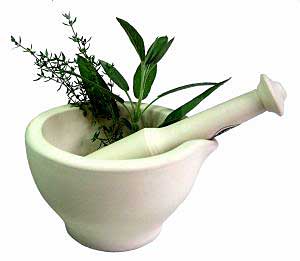
Some of the most popular home remedies for general anxiety include
Apple Cider Vinegar
Cold showers
Cod Liver Oil
Increased water supply.
There are others too, but have very few reports of being effective. All in all, these herbal remedies work well because they help restore the hormonal balance, and thereby reduce the anxiety based adrenaline release. However, they do NOT affect panic attacks themselves at all.
Since panic attacks are fueled by anxiety based on the unpredictability of panic attacks, and not by general anxiety, these herbal and home remedies do not treat panic attacks.
Additionally, there is no way to stop a panic attack already underway with any of these. As such, they are recommended for your general health and for general anxiety treatment, but not for Panic Disorder. Cold showers and Apple Cider Vinegar are great treatment options that should be used in any case since they are very good for your overall health. Additionally, the net cost of the home remedies is only around $50 when all is said and done, if even that.
* Effectiveness : 5/10
* Ease of use : 7/10
* Value/Cost : 7/10
If you cant seem to get rid of panic attacks and want to treat yourself at home without drugs, you should try Panic Away. Its a sure shot way to curing your panic attacks and preventing the same. As seen above you will find that among the others it scores the best.
Joe Barry has slashed the prices of the Panic Away E book from$138 to $67.95
Offer just for limited period, avail the discount now! (Discount Code DD-094201)
Not only this, The Panic Away E book now comes with
 One Move Live Audio
Emergency Audio To End The Moment Of Panic
and
 Driving Anxiety
A Unique Audio To End Anxiety While Driving
and


Hypnotherapy and psychotherapy have only discouraging treatment efficacy to report, while most Drugs such as Xanax, Adderall, Prozac and Celexa have very little positive effects and a slew of dangerous side-effects, not to mention the incredibly high costs.
As such, natural remedies for panic attacks have come into the limelight as being potentially the most powerful treatment option for those who struggle with this miserable condition.
Listed below are the best non-drugs, and non-therapy based treatments for natural remedies, with a scale of effectiveness and short review of each:
This is a technique that helps re-locate the activity zones in the brain from involuntary during a panic attack, to the voluntary parts.
During an attack, one cannot control their feelings and thoughts because the center of activity shifts to involuntary sub-conscious parts of the brain.
One Move technique allows a person to regain the control by ‘moving’ the activity back into the control of the victim. Since this is done in just one step, it is known as the the ‘One Move’. The One Move technique is used by Panic Away Method, and has been used by over 27,000 people to completely eliminate panic attacks.
Since this does not require any lifestyle and fitness changes, and does not require any therapy, drugs, or external treatment options, this is the best natural remedy for panic attacks.
So far, Panic Away Method has worked for over 99% of the people who have used it. That alone is quite a testament to the effectiveness of the system.
The cost of Panic Away is the only thing that anyone could complain about. At
* Effectiveness : 9/10
* Ease of use : 9/10
* Value/Cost : 9.5/10
Check Bottom of Page for Limited Period Special Offer.
Aromatherapy is a form of alternative medicine that uses volatile liquid plant materials, known as essential oils (EOs), and other aromatic compounds from plants for the purpose of affecting a person's mood or health.
Their action is by the influence of aroma on the brain, especially the limbic system through the olfactory system and also through the direct pharmacological action of the oils.
Oils vary in price based on the amount of the harvest, the country of origin, the type of extraction used, and how desirable the oil is.
The commonly used oils for panic attacks include:
1) Lemon oil is uplifting and anti-stress/anti-depressant.
2) Lavender oil is used to calm and relax, and to soothe headaches and migraines
3) Angelica oil
The consensus among most medical professionals is that some aromas have demonstrated effects on mood and relaxation and can have various benefits for patient. Scientific research on the cause and effect of aromatherapy is limited but the patients who have used it report good results.
* Effectiveness : 5/10
* Ease of use : 8/10
* Value/Cost : 4/10
Much talked about and extremely expensive when taking professional classes, Yoga and Meditative relaxation techniques have shown little improvement in victims of panic attacks. While this does help with general anxiety, most people who suffer from the Panic Disorder accept that at best Yoga only has the placebo affect. However, it does promote overall well-being, which is a positive thing.
* Effectiveness : 7/10.
* Ease of use : 6/10
* Value/cost : 6/10
4) Herbal and Home Remedies:
Some of the most popular home remedies for general anxiety include
Apple Cider Vinegar
Cold showers
Cod Liver Oil
Increased water supply.
There are others too, but have very few reports of being effective. All in all, these herbal remedies work well because they help restore the hormonal balance, and thereby reduce the anxiety based adrenaline release. However, they do NOT affect panic attacks themselves at all.
Since panic attacks are fueled by anxiety based on the unpredictability of panic attacks, and not by general anxiety, these herbal and home remedies do not treat panic attacks.
Additionally, there is no way to stop a panic attack already underway with any of these. As such, they are recommended for your general health and for general anxiety treatment, but not for Panic Disorder. Cold showers and Apple Cider Vinegar are great treatment options that should be used in any case since they are very good for your overall health. Additionally, the net cost of the home remedies is only around $50 when all is said and done, if even that.
* Effectiveness : 5/10
* Ease of use : 7/10
* Value/Cost : 7/10
If you cant seem to get rid of panic attacks and want to treat yourself at home without drugs, you should try Panic Away. Its a sure shot way to curing your panic attacks and preventing the same. As seen above you will find that among the others it scores the best.
Joe Barry has slashed the prices of the Panic Away E book from
Offer just for limited period, avail the discount now! (Discount Code DD-094201)
Not only this, The Panic Away E book now comes with
One Move Live AudioEmergency Audio To End The Moment Of Panic
and
Driving AnxietyA Unique Audio To End Anxiety While Driving
and
So now you get

For Just $67
At this price its a steal.
So What are You Waiting for, Wave your anxiety problems GOODBYE.
Panic Attacks Treatment - Aromatherapy For Panic Attacks
Panic attacks are times when your brain sends out the anxiety signals to your sympathetic system without any apparent cause and you get the sudden onset of symptoms like racing heart, choking, sweating etc.
The panic attack phenomenon is still, at best, little understood and the treatment given is in the form of symptomatic treatment such as anxiolytic medication like benzodiazepines and and in the form of psychiatric counseling.
Since the pathophysiology of anxiety is little understood, there is a firm role of trying out unconventional treatments for panic attacks, as very often allopathic treatment (conventional doctors) is unable to treat the root cause of panic attacks and only helps with the symptomatic relief during the attack.
Thus the patient continues to have panic attacks and therefore goes on towards unconventional therapies.
For now I shall just give you a list of some of the unconventional therapies for anxiety and panic attacks and then go on to discuss aromatherapy. These are:
1) Yoga and meditation
2) Hypnotherapy
3) Herbal therapy
4) Aromatherapy
5) One move technique - advocated by 'panic away'
Aromatherapy is a the treatment or prevention of disease by use of essential oils. Essential oils are aromatic extracts from plants which are volatile in nature. Despite the name, aromatherapy also refers to the use of these oils in the form of massages. Their mechanisms of action like all other unconventional therapies is still unproven. It is claimed by experts that they work by two mechanisms :
1) Their direct effect on the brain in the 'limbic system' and the 'olfactory system'.
2) By the direct pharmacological actions of the oils (since they are chemicals after all).
The three oils that I know about in usage, as the treatment of anxiety and panic attacks are:
1) oils of lavender
2) oils of rose
3) oils of angelica
The efficacy of these as treatment of panic attacks and anxiety is still a matter of opinion. And the opinion prevalent among most medical professionals is that some aromas have demonstrated effects on mood and relaxation and may have related benefits for patients who have panic attacks.
Final word: While these treatments for panic attacks are considered the last resort by many medical professionals, they should be given a higher status based on their utility and popularity, which the conventional therapies, despite vast usage in the treatment of panic attacks, have failed to gather.
Want to learn the power of aromatherapy? Click here.
If you are serious about knowing about more unconventional natural therapies as treatment of panic attacks you should log on to http://panicattackss.blogspot.com/. It will enlighten you with the causes, features, treatments of panic attacks and disorder.
Parting line- Always be positive and hope for the best.
The panic attack phenomenon is still, at best, little understood and the treatment given is in the form of symptomatic treatment such as anxiolytic medication like benzodiazepines and and in the form of psychiatric counseling.
Since the pathophysiology of anxiety is little understood, there is a firm role of trying out unconventional treatments for panic attacks, as very often allopathic treatment (conventional doctors) is unable to treat the root cause of panic attacks and only helps with the symptomatic relief during the attack.
Thus the patient continues to have panic attacks and therefore goes on towards unconventional therapies.
For now I shall just give you a list of some of the unconventional therapies for anxiety and panic attacks and then go on to discuss aromatherapy. These are:
1) Yoga and meditation
2) Hypnotherapy
3) Herbal therapy
4) Aromatherapy
5) One move technique - advocated by 'panic away'
Aromatherapy is a the treatment or prevention of disease by use of essential oils. Essential oils are aromatic extracts from plants which are volatile in nature. Despite the name, aromatherapy also refers to the use of these oils in the form of massages. Their mechanisms of action like all other unconventional therapies is still unproven. It is claimed by experts that they work by two mechanisms :
1) Their direct effect on the brain in the 'limbic system' and the 'olfactory system'.
2) By the direct pharmacological actions of the oils (since they are chemicals after all).
The three oils that I know about in usage, as the treatment of anxiety and panic attacks are:
1) oils of lavender
2) oils of rose
3) oils of angelica
The efficacy of these as treatment of panic attacks and anxiety is still a matter of opinion. And the opinion prevalent among most medical professionals is that some aromas have demonstrated effects on mood and relaxation and may have related benefits for patients who have panic attacks.
Final word: While these treatments for panic attacks are considered the last resort by many medical professionals, they should be given a higher status based on their utility and popularity, which the conventional therapies, despite vast usage in the treatment of panic attacks, have failed to gather.
Want to learn the power of aromatherapy? Click here.
If you are serious about knowing about more unconventional natural therapies as treatment of panic attacks you should log on to http://panicattackss.blogspot.com/. It will enlighten you with the causes, features, treatments of panic attacks and disorder.
Parting line- Always be positive and hope for the best.
Social Anxiety and "Overwhelment"
As someone who has personally suffered with severe Social Anxiety, I went through several phases of learning how to deal with it and eventually overcome it: denial, hiding it, being ashamed of it, and finally, learning to accept it (see the article above) and working through it. One thing that really helped me was reading about someone famous, someone I admired who admitted they had Social Anxiety and even laughed about it! At the time, I felt deeply ashamed of my anxiety around people, and it really amazed me that this person could be so light-hearted about it. He spoke about it very openly, as if he were admitting that he had diabetes, or some other very common condition.
I thought about this for a long time and it began to make me feel much better about my situation. So, cautiously at first, I began to tell my closest friends and relatives about my anxiety situation. Not in a apologetic way or asking asking anyone to feel sorry for me (because that's not helpful at all), but in a very matter-of fact way: "Oh, by the way, did you know I have social anxiety?"
For the most part, my loved ones and close friends were extremely understanding about the whole issue and didn't make a big deal of it at all. The relief I felt was unbelievable, like a large stone had just been lifted from my shoulders. I was REALLY beginning to make progress.
I've learned much about Social Anxiety since then, and probably the most important thing is this: Social Anxiety is ENTIRELY about feeling "overwhelmed." The feeling of being overwhelmed is what pushes people into limiting their life to a greater and greater extent, until they find themselves living in a very small world indeed. But it doesn't have to stay that way. Understanding that your SA is REALLY all about feeling overwhelmed can help you to gradually begin making changes to eliminate it.
A simple plan of action...
1. Accept the situation and DO NOT feel bad about it at all (again, see the article above).
2. Begin putting your self in social situations for VERY SHORT periods of time. This is extremely important, because when you do this, YOU are limiting YOURSELF, instead of having your anxiety limit you. In other words, you are taking back control over the situation, and are not reacting, like a victim would.
3. Talk to those who are very close to you and might be affected by this, and let them know what you are doing and exactly why you are doing it. Remember to be UNAPOLOGETIC about explaining it to them. There is nothing to apologize for! Be very matter-of-fact about it.
4. As stated, keep your social interactions very brief. If 5 minutes is all you are comfortable with, then do 5 minutes and feel perfectly fine about that. Even if 1minutes is all you can do, that's just fine. Remember, YOU are in control, and YOU are placing the limits--not anything outside of you.
5.Gradually, begin to increase the time you spend in social interactions. BUT...do this very gradually. Don't push it! Even if you increase by a few minutes every month, that is better than letting yourself get overwhelmed in a situation.
6. Remember this phrase, "Nothing succeeds like success." This means that success builds momentum and leads to greater success. This is particularly true with SA. It is very important that you continue to have good social interaction that does not overwhelm you. It does NOT matter how long the interaction is; all the matters is that you get through it without any strong negative feelings. DO NOT push yourself too hard. You don't have to!
The Hamster Wheel of Panic
Have you ever felt like your mind was spinning on a hamster wheel? You know; you get caught in an endless loop, running over the same old fears again and again, feeling unable to just stop the ride and get off?
I think we have all felt this way at one time or another, and if you have a history of anxiety or panic issues, you have surely done a few laps on the old hamster wheel. I know I have!
This obsessive re-examining of a fearful or worrying situation is what some people call a "cognitive loop." It is uncomfortable at best, and at its worse, can have a negative affect on every area of your life, including your actual physical health.
That's right. Research shows that over time, mental distress of this type can actually cause physical distress, quickening the pulse rate, raising blood pressure, and even weakening the immune system. All the more reason to learn how to "jump off the hamster wheel." So let's define what this "loop" actually is, and how you can put an end to this vicious cycle.
I think of a cognitive loop like a computer "hang up." Remember the last time your computer froze on you? It became unresponsive and all forward progress came to a screeching halt, right? Probably your only alternative was to "reboot" and start over, because as everyone knows, once that endless loop starts running, you're not going to get anything done until you do!
And that is exactly how you handle a loop in your thinking!
Once the loop of fear or worry begins, all progress stops. Your mind has basically "hung up," and you're not getting anything productive done until you call a time out and "re-boot" your system. And just how do you re-boot your mind?
Physical Change = Emotional Change
Our physical state and our mental state are very closely linked. For example, I notice that I always feel calm and centered when I exercise regularly and drink plenty of water. So to change a faulty (but temporary) mental state, like the cognitive loop, I recommend immediately changing your physical state.
The easiest way to do this is to just notice what you are doing with your body, and then do the opposite of that. If you're sitting--stand up, or even go for a short walk. If you're slouching, straighten your posture-chin up, chest out, back straight.
Notice your breathing. Are you taking short, shallow breaths? Take a few slow, deep breaths, breathing out slightly longer than you breath in. Do a few slow and deliberate stretches with your arms and legs to increase circulation.
Anything you can do to change your physical state will immediately begin to affect your mental state. And the more extreme the change in your physical state, the more extreme the change in your mental state will be. That's one reason that exercise is so good for your mental health-especially as a preventive measure.
Walking or bike-riding are both really good for the nerves, but any movement that changes your physical state will have a positive effect. One easy way to remember this:
Was I born this way?
Once in a while, I get an email from someone who will ask about the origin of their anxiety and panic problems. They may even wonder if they were just "born" with anxiety the same way some people are born with red hair, and there is nothing they can do about it.
Those of you who have read my articles for a while probably know what I'm going to say next…But I'll try to restrain myself, and provide an example to answer this question:
I grew up with a friend who was born with polio. He was never "supposed" to walk, and certainly not run or engage in any other strenuous exercise. He was simply "born' that way and there was nothing he could do about it. Right?
Wrong! This same friend is incredibly active. He jogs, works out, does aerobic training, he even runs marathons! He has REFUSED to be limited by this physical condition. No matter what "cards" he was dealt in life, he has chosen to NOT be a victim.
And if you stop and think just a moment, you probably know someone just like my friend. There are many people out there with incredible stories of overcoming obstacles in their life: birth defects, illness, poverty, abuse, etc. Just name a problem, and there is someone out there who has REFUSED to be limited by it and overcome it.
So, bearing that in mind, do I think that anxiety is something that someone can be "born" with? Frankly, I do not. There is some evidence that the tendency toward anxiety can be inherited, but that does not mean a person will develop an anxiety problem. Not at all.
And besides, all I have to do is think about my friend who was born with polio, and it becomes obvious that whether someone could be "born" with anxiety or not, at the end of the day, it doesn't make one bit of difference.
The 30 Second Emotional Shift
We are all aware that there are things we can do to increase our level of positive feelings. At any given moment, you can choose to do something that results in you feeling slightly better than you did just a few moments ago. So what keeps us from doing these things?
Here's the real problem: we're all looking for way to change our lives, not the next five minutes. So, changing your state of mind for the next 5, 10 or 15 minutes seems too trivial. It doesn't seem like anything worth bothering with. But what we forget is, life is a numbers game. That's right, it's all about the percentages!
Consider this question: how would your life be different if you could feel 1% better every single day? 1% might not seem like much, but let me tell you, feeling better works like compound interest in a bank account. It increases exponentially over time. So even feeling slightly better, multiplied by every day of your life is a huge change. Let me say that again. Feeling even slightly better every day, compounded by every single day of your life, produces a huge boost in your overall sense of well-being and happiness.
Now, if you get the feeling that I'm trying to tell you that little things matter a lot, you're absolutely right! I know you've probably heard these comments many times before and they may just seem like cheesy platitudes, however, nothing could be further from the truth. Even cheesy clichés can be profound sometimes, and this is a perfect example of that.
In fact, the exercise we're going to do today is an even better example of this. It's called the 30 second emotional shift, and here's how it works:
We're not going to try to change your life. We're not even going to try to change the way you feel today. Instead, we're going to focus with laserlike precision on a very tiny shift, only 30 seconds. Again, if this seems too trivial to bother with, let me assure you that even a 30 second shift in your emotions can and will have far-reaching results, and using this exercise daily can produce an exponential increase in your base level of happiness.
Now, I will be the first to admit that this is the simplest exercise in the world. Don't be put off by that. Keep an open mind and you will find that even this ridiculously simple exercise can greatly improve how you feel today and every day. All right, let's get started:
Have you ever seen someone with a huge ridiculous smile on their face? I'm talking about the big fake cheesy, Miss congeniality type smile. Believe it or not, we are going to emulate this behavior. It is not important that you feel like smiling, in fact, were not even going to aim for that. No, we're simply going to fake it. That's right, were going to put on a big humongous fake smile, and not because we're idiots, or because we actually feel this way. We're going to do it as an exercise, we're going to use this -fake it till you make it- behavior as a tool.
Now before we get even get started, I'd like to address the naysayers out there. You may be thinking, come on, if I felt like smiling, I wouldn't be depressed! But you see, the point of this exercise is, it doesn't matter if you feel like smiling or not. In fact, it doesn't matter how you feel, because this exercise is not based on feelings. It's based on behavior. We're simply going to engage in a certain behavior for a very short period of time. We're just going through the motions, that's all. But have a little faith, you will soon see why this is a valuable tool to increase your quality of life.
To get started, you need access to a clock or watch with a second hand. A stopwatch would be perfect, but use, what ever you've got. If you don't have a watch available, just can count on your fingers. Just remember to keep track of the time as you go. We'll begin by putting on a huge fake smile for 10 seconds. Only 10, do not be tempted to reach too far too soon. Your goal during this 10 second exercise is to achieve the biggest, cheesiest, fake-ist smile you can possibly muster. The idea is to go way over the top, smile so hard your facial muscles ache! Keep in mind that the more you put into this exercise, the more you will get out of it, so don't be afraid to really push yourself. Get into it! The results will be well worth it.
Of course, you want to do this exercise when you are completely alone, because let's face it, you're going to look a bit ridiculous. Don't worry one bit about that. Just stay focused on what is important, which is doing the exercise and giving it your all. So, whenever you're ready. Let's begin with a 10 second session. Ready? Go!
Don't forget, really show those teeth. Smile like a cheesy toothpaste commercial on steroids! And get your eyes involved in this. Dilate your eyes, make them large and sparkly. Remember, what you're going for here is to make the cheesiest, biggest fake smile you've ever seen. For extra motivation, do this exercise in front of a mirror. That's also good for a laugh.
So how did you do? Did you achieve that huge, fake, ridiculous smile? I'll bet you did. It's actually not that hard to do, especially for only 10 seconds. If for any reason you don't feel you achieved the huge fake smile for the entire 10 seconds, relax for a bit and then give it another try in a few minutes. Remember, you only need to hold this for 10 seconds. That's it. Once you have achieved that 10 seconds, we're going to bump it up a notch. This time try the same exercise for 20 seconds. Ready? Let's begin.
This time really push yourself. Open up your entire face, eyes wide, teeth showing, simply radiating cheesy happiness for 20 short seconds.
Okay, great, how did you do? If you didn't quite achieve the huge cheesy smile for the entire 20 seconds, that's no big deal, just relax for a few minutes and then try it again. Once you manage to hold this cheesy grin for 20 seconds, we're going to bump it up yet again. Same exercise, but this time were going for 30 seconds. That's all, just 30 seconds. You can do that. Of course you can, anyone can hold a cheesy grin for 30 seconds and having already practiced on smaller intervals of time, this will be a piece of cake. Ready to go? OK. Get that cheesy smile on and start watching the clock!
Now after you've attained your 30 seconds of cheesy smiling, you can just relax. Let your face go anyway it wants. Smile, frown, whatever you want to do, it's all good. Now, take a moment, just relaxing, and let's evaluate how you feel right now. Would you say that you feel slightly more up, more positive, happier than you did before the exercise began? If you're like most people, you will notice a small but definite shift in your base level of happiness after doing this exercise.
I personally began by using this exercise twice a day for 30 seconds at a time. After a few days, I progressed to doing the exercise three or four times a day, for up to one minute at a time. At this point, I'd definitely noticed that I felt differently, I felt better and my base level of happiness was on the rise. After several weeks, I got really good at this. And even tried holding the cheesy smile for 4-5 minutes at a time. I thought my face was going to freeze that way! But let me tell you, I felt great for the rest of the day, and it's results that count, so don't be afraid to try. When you begin to notice the changes in your base level of happiness, you'll be excited and motivated to do this exercise more often. And that's when you really start to notice results.
The exercise is based upon is the psychological concept of behavioralism. How it works isn't really important; what matters most is that it does work! And as you know, living a successful life is mostly based on one simple principle: doing more of what works, and less of what doesn't work.
Sometimes, the simple ideas really are the best.
For more attitude-adjustment and anxiety-busting exercises, check out The EasyCalm Video Coaching Series.
Recognizing the Symptoms of an Anxiety Attack
The symptoms of an Anxiety Attack aren't always easy to recognize. The attacks themselves can be confusing as well as producing an intense "undefined" fear, often accompanied by severe discomfort and one or more physical symptoms. You can easily find yourself asking, "am I having an anxiety attack or not?"
To add to this confusion, anxiety symptoms can appear very similar to symptoms of an actual physical health problem, such as a heart attack or asthma. In fact, it is not uncommon to feel absolutely "convinced" that you have a debilitating illness or disease, when the actually problem is anxiety.
Some of the most common symptoms of an anxiety attack include:
1. Rapid heart beat
2. Shortness of breath
3. Dizziness/feeling light-headed
4. Fear of being "out of control"
5. Heart palpitations
6. Sudden sweating
7. Upset stomach
8. Tingling in the hands or feet
9. Feelings of being "out of touch" with the world around you
10. Shaking
11. A feeling of being "trapped"
On average, symptoms of an anxiety attack rarely last longer than 20-30 minutes, and often begin fading in 5 minutes or less. And even though they are not usually considered to be physically harmful, over time the accumulative affects of these attacks can severely decrease the sufferer's quality of life, and even weaken the immune system.
Along with the physical symptoms, anxiety attacks are most often accompanied by a feeling of "doom" or hopelessness. Sufferers may also feel very self-conscious and begin comparing themselves negatively with others. As a result of this, some anxiety attack sufferers will develop low self-esteem and a poor self image. Likewise, many sufferers attempt to hide the anxiety problem from friends and loved-ones, or even feel ashamed of themselves because they sufferer with this problem (blaming the victim).
Repeated anxiety attacks can develop into a real health problem that needs to be treated. Seeing a counselor can help the individual understand what is causing the anxiety. A great many people also benefit by learning relaxation techniques-for example, breathing exercises and bio-feedback are both beneficial in decreasing anxiety.
In more severe cases, medical treatment may be advised as a temporary measure, though many experts do not recommend "medicating the problem" as a long-term solution. A more practical long-term solution may be a combination of relaxation techniques and a change of lifestyle and learning to "work through" the anxiety.
An excellent first step is for the sufferer to refuse to see themselves as a "victim" of anxiety, instead taking full responsibility for their situation (again, without blaming themselves). As an individual begins to understanding that they have a great deal of power over the anxiety attacks and their response to them, anxiety often loses much of its power over them.
Being honest about your anxiety situation is also extremely helpful. "Coming out of the closet" as an anxiety sufferer can be like taking a heavy load off your shoulders. Sufferers get a great feeling of relief when they decide to be honest about their anxiety issues, and friends and loved-ones are often more supportive about this problem than you might think.
Odds are, there are people around you who also have "hidden" anxiety problems, and your honesty could inspire them to "come out" as well.
Physical Panic Symptoms
In this article I aim to describe some of the physical aspects of panic attacks, as well as what happens in your body. I will also propose ways for you to better manage those physical symptoms, which should help you with getting rid of panic attacks.
As you may have read in another article, panic attacks are sudden and intensely frightening experiences that can give you the feeling that you are going mad, losing control, or even that you have a heart attack and might die. Some of the most common physical symptoms of panic attacks are: a pounding heart, chest pains, breathlessness, a choking feeling, dizziness, or a pounding head. There are more, but do you recognise those?
You will undoubtedly have heard of the fight-flight response, your body's "internal alarm system", when your body prepares itself to either fight or run from a threatening situation, e.g. when you hear a strange noise at night in your house. What happens in your body?
Well, you might need to run or fight so your muscles need more oxygen. You breathe faster, which can lead to breathlessness through over-breathing, or hyperventilation. This can cause dizziness, as well as a feeling of choking. Your heart beats and pumps faster to get the blood (with oxygen!) faster around your body. Your chest hurts as your chest muscles are tight, ready to fight if needed. Your head might be pounding too, as there is an increased pressure of blood flowing through your body for extra energy.
Can you see how many of those physical symptoms are in fact totally normal reactions of your internal alarm system? And they are necessary if there is a real threat to face. And there is one the key issues in panic attacks: the alarm system is very sensitive and goes off when there is no real threat, but just a hint (e.g. a thought) of it, like a hypersensitive smoke alarm.
For now, I would like to mention three things you can try and practice, which should make it easier for you to cope with those symptoms as they develop.
1. Try above all to realize fully that the symptoms are normal and harmless.
2. Learn to relax. Relaxation can involve reading, or having a cup of tea etc. But this might not be enough to decrease muscle tension. Learn relaxation techniques, e.g. use relaxation tapes (step-by-step approach to relax all your muscles: ask your doctor), or try yoga. Less tension means less chance of panic.
3. Learn controlled breathing. Breathe in slowly, filling your lungs as if filling a bottle with water, counting "1...2...3...4". Then breathe out through your nose, emptying the bottle as it were. Calmly. Practice this when feeling ok, and use it when the anxiety starts.
Have a look around this website for more helpful ideas and information.
However, if you would like to learn about this new approach to solving panic attacks fast and effectively, then click this link: Your New Life Starts Here
As you may have read in another article, panic attacks are sudden and intensely frightening experiences that can give you the feeling that you are going mad, losing control, or even that you have a heart attack and might die. Some of the most common physical symptoms of panic attacks are: a pounding heart, chest pains, breathlessness, a choking feeling, dizziness, or a pounding head. There are more, but do you recognise those?
You will undoubtedly have heard of the fight-flight response, your body's "internal alarm system", when your body prepares itself to either fight or run from a threatening situation, e.g. when you hear a strange noise at night in your house. What happens in your body?
Well, you might need to run or fight so your muscles need more oxygen. You breathe faster, which can lead to breathlessness through over-breathing, or hyperventilation. This can cause dizziness, as well as a feeling of choking. Your heart beats and pumps faster to get the blood (with oxygen!) faster around your body. Your chest hurts as your chest muscles are tight, ready to fight if needed. Your head might be pounding too, as there is an increased pressure of blood flowing through your body for extra energy.
Can you see how many of those physical symptoms are in fact totally normal reactions of your internal alarm system? And they are necessary if there is a real threat to face. And there is one the key issues in panic attacks: the alarm system is very sensitive and goes off when there is no real threat, but just a hint (e.g. a thought) of it, like a hypersensitive smoke alarm.
For now, I would like to mention three things you can try and practice, which should make it easier for you to cope with those symptoms as they develop.
1. Try above all to realize fully that the symptoms are normal and harmless.
2. Learn to relax. Relaxation can involve reading, or having a cup of tea etc. But this might not be enough to decrease muscle tension. Learn relaxation techniques, e.g. use relaxation tapes (step-by-step approach to relax all your muscles: ask your doctor), or try yoga. Less tension means less chance of panic.
3. Learn controlled breathing. Breathe in slowly, filling your lungs as if filling a bottle with water, counting "1...2...3...4". Then breathe out through your nose, emptying the bottle as it were. Calmly. Practice this when feeling ok, and use it when the anxiety starts.
Have a look around this website for more helpful ideas and information.
However, if you would like to learn about this new approach to solving panic attacks fast and effectively, then click this link: Your New Life Starts Here
4 Step Strategy to Face Your Fears
In this article I would like to tell you about how avoiding your fear makes panic attacks harder to solve. I present 4 steps that help you fight this avoidance and will solve your panic attacks faster.
It is totally normal to avoid the places or situations where you experienced these horrible panic attacks. Perhaps they are crowded places, or small areas from which it was hard to escape. Perhaps it was only just with certain people. It could also just be the thought of certain situations, or of panic itself, that might make you feel anxious. So you avoid them or avoid thinking about it. But is this a good idea?
What you probably already know, but I will say again, is that panic attacks are totally harmless physically. But feeling panic isn't fun, so you try to avoid it. But if you constantly avoid the situations you associate with panic, you might never feel comfortable there, and perhaps always be adding more and more places to your panic list.
You start making a connection between places, situations, people or even certain thoughts or images, with the panic itself. This connection, however, is false and unhelpful. It is not the places or people or thoughts which produce panic, it is the meaning you give to them that produces or worsens your panic. Therefore, getting rid of panic attacks will not happen unless you are willing to go back to those very places you felt anxious as much as you can. If you want to know how to solve panic attacks, then you need to overcome this avoidance.
I aim to delve deeper into more subtle forms of avoidance in a later article, but you can certainly try and start with a gradual approach to overcoming avoidance of places or situations. Try this 4-step plan:
1. Write a list of places or situations you avoid because of your fear of panic.
2. Give them a rating from 1 to 10, where 1 means "I feel hardly any anxiety there" and 10 means "I feel total panic there".
3. Put all the items on your list in order of severity, the lowest at the top and the highest at the bottom of your new list.
4. Make a big effort to go to the first place (with the lowest anxiety score) on your list. You might experience some anxiety, but perhaps not panic. In any case, it is crucial to stay there until the anxiety subsides, perhaps using coping skills. If you leave beforehand, you will not learn that things are actually safe and okay there, and you will need to repeat the exercise. Repeat step 4 until you feel no more anxiety and only then tackle the next place on your list etc.
Please have a look around this website for further helpful information.
However, if you want to know immediately how to solve anxiety or panic attacks effectively, then you should check this out now: Your New Life Starts Here
It is totally normal to avoid the places or situations where you experienced these horrible panic attacks. Perhaps they are crowded places, or small areas from which it was hard to escape. Perhaps it was only just with certain people. It could also just be the thought of certain situations, or of panic itself, that might make you feel anxious. So you avoid them or avoid thinking about it. But is this a good idea?
What you probably already know, but I will say again, is that panic attacks are totally harmless physically. But feeling panic isn't fun, so you try to avoid it. But if you constantly avoid the situations you associate with panic, you might never feel comfortable there, and perhaps always be adding more and more places to your panic list.
You start making a connection between places, situations, people or even certain thoughts or images, with the panic itself. This connection, however, is false and unhelpful. It is not the places or people or thoughts which produce panic, it is the meaning you give to them that produces or worsens your panic. Therefore, getting rid of panic attacks will not happen unless you are willing to go back to those very places you felt anxious as much as you can. If you want to know how to solve panic attacks, then you need to overcome this avoidance.
I aim to delve deeper into more subtle forms of avoidance in a later article, but you can certainly try and start with a gradual approach to overcoming avoidance of places or situations. Try this 4-step plan:
1. Write a list of places or situations you avoid because of your fear of panic.
2. Give them a rating from 1 to 10, where 1 means "I feel hardly any anxiety there" and 10 means "I feel total panic there".
3. Put all the items on your list in order of severity, the lowest at the top and the highest at the bottom of your new list.
4. Make a big effort to go to the first place (with the lowest anxiety score) on your list. You might experience some anxiety, but perhaps not panic. In any case, it is crucial to stay there until the anxiety subsides, perhaps using coping skills. If you leave beforehand, you will not learn that things are actually safe and okay there, and you will need to repeat the exercise. Repeat step 4 until you feel no more anxiety and only then tackle the next place on your list etc.
Please have a look around this website for further helpful information.
However, if you want to know immediately how to solve anxiety or panic attacks effectively, then you should check this out now: Your New Life Starts Here
Biofeedback To Help Control Your Anxiety And Panic Attacks
People have used many methods over the years to try and better control their panic attacks. One of these methods which has worked or many of them is biofeedback. This is the discipline of using your mind to control your body and its functions. It has been used for hundreds of years in the eastern community, and is gaining in popularity all over the world.
Of all the natural treatments one can use for any illness or condition, biofeedback is the one which is least understood by most. This practice allows the user to enter a very relaxed state, and lower their stress and anxiety levels. With less stress and anxiety, those who suffer from panic attacks will find themselves having fewer attacks over time.
During biofeedback sessions, the person is wired to devices which sense and monitor their brain waves, blood pressure and heart rate. To use biofeedback effectively, the person must be trained in the technique. Most patients will attend a training class at least once per week to learn the details of the proper techniques so they can do it on their own. The machines are only used to monitor and report back to the user that they are indeed doing it correctly.
Once the individual has mastered the techniques involved in biofeedback they will not require the monitors and other machines to tell them they are doing it correctly. They will then be free to practice the techniques on their own whenever they feel overly stressed or anxious.
Those who suffer these attacks need to use everything they have at their disposal to combat the frequency of the attacks. By using all natural techniques such as biofeedback, the person does not have to worry about the treatment interfering with other treatment options which may have been prescribed by a physician. It is always important to insure any treatment options you pursue do not end up hurting you because of other treatments you are getting from your doctor.
Using biofeedback is not meant to replace anything that your doctor has prescribed or recommended for you. In fact, natural treatments are meant as an enhancement, and not a replacement for your regular physician�s care. Using biofeedback should enable you to live a more enjoyable life, which is less stressful and hopefully reduce the frequency of panic attacks.
By learning how to use biofeedback you may be able to effectively curb the number of attacks you experience. You will learn how to use the technique to lower the overall amount of stress in your life, and avert the other illnesses it can bring with it.
Of all the natural treatments one can use for any illness or condition, biofeedback is the one which is least understood by most. This practice allows the user to enter a very relaxed state, and lower their stress and anxiety levels. With less stress and anxiety, those who suffer from panic attacks will find themselves having fewer attacks over time.
During biofeedback sessions, the person is wired to devices which sense and monitor their brain waves, blood pressure and heart rate. To use biofeedback effectively, the person must be trained in the technique. Most patients will attend a training class at least once per week to learn the details of the proper techniques so they can do it on their own. The machines are only used to monitor and report back to the user that they are indeed doing it correctly.
Once the individual has mastered the techniques involved in biofeedback they will not require the monitors and other machines to tell them they are doing it correctly. They will then be free to practice the techniques on their own whenever they feel overly stressed or anxious.
Those who suffer these attacks need to use everything they have at their disposal to combat the frequency of the attacks. By using all natural techniques such as biofeedback, the person does not have to worry about the treatment interfering with other treatment options which may have been prescribed by a physician. It is always important to insure any treatment options you pursue do not end up hurting you because of other treatments you are getting from your doctor.
Using biofeedback is not meant to replace anything that your doctor has prescribed or recommended for you. In fact, natural treatments are meant as an enhancement, and not a replacement for your regular physician�s care. Using biofeedback should enable you to live a more enjoyable life, which is less stressful and hopefully reduce the frequency of panic attacks.
By learning how to use biofeedback you may be able to effectively curb the number of attacks you experience. You will learn how to use the technique to lower the overall amount of stress in your life, and avert the other illnesses it can bring with it.
Can Aromatherapy Be Used For Anxiety?
There are several treatments for anxiety available. One of the more unusual ones might be aromatherapy for anxiety. Millions of individuals suffer from frequent panic attacks. The episodes are sometimes quite severe, and they can be so bad that they render the individual completely helpless until the attack subsides. It isn't known what causes a person to be susceptible to these debilitating attacks, but there are treatment options for those afflicted.
The overriding symptoms associated with panic attacks are the intense feelings of fear and dread. The person may feel as though they cannot breathe, and that something bad is going to happen at any time, although they have no idea what it is that they are afraid of during the attack.
All of the symptoms are not emotional, as there are also physical manifestations of the disorder. The attacks are fraught with physical symptoms which may include intense nausea, tense muscles and extremely painful headaches. Visible perspiration and shortness of breath are also common during this time.
Panic attacks can be brought on by several things. They can be triggered by excess stress over work or other topics, as well as worry over the death sickness of a loved one. This disorder has also been known to strike suddenly for no apparent reason, which makes it a difficult condition to control. People who have panic attacks frequently may find it hard to cope with them and hold down a regular job. They can interfere with the day to day lives of those who suffer from the condition and make it very difficult to function normally.
Aromatherapy has been used for centuries to help alleviate the symptoms of many illnesses, and it has been used to treat panic attacks as well. The triggers which usually bring on a panic attack are stress and worry. Both of these can be dealt with successfully in many individuals by using aromatherapy.
Aromatherapy is an all natural approach to treating different illnesses and conditions. It can help relieve the stressful feelings which can lead to an attack, thereby averting a full blown panic attack. The practice of aromatherapy for natural treatments is not a difficult thing to do. Certain types of essential oils are mixed with a good quality vegetable oil, and used in several ways for treatment.
The infused oil can be used as massage oil, bath oil or even as compresses to help relieve the symptoms of a panic attack. One of the more popular essential oils recommended for the relief of stress is Lavender. You can even put six drops of Lavender essential oil into a cup of water and use it in a spry bottle as a room freshener, to get all day aromatherapy.
Learn The Power of Aromatherapy
The overriding symptoms associated with panic attacks are the intense feelings of fear and dread. The person may feel as though they cannot breathe, and that something bad is going to happen at any time, although they have no idea what it is that they are afraid of during the attack.
All of the symptoms are not emotional, as there are also physical manifestations of the disorder. The attacks are fraught with physical symptoms which may include intense nausea, tense muscles and extremely painful headaches. Visible perspiration and shortness of breath are also common during this time.
Panic attacks can be brought on by several things. They can be triggered by excess stress over work or other topics, as well as worry over the death sickness of a loved one. This disorder has also been known to strike suddenly for no apparent reason, which makes it a difficult condition to control. People who have panic attacks frequently may find it hard to cope with them and hold down a regular job. They can interfere with the day to day lives of those who suffer from the condition and make it very difficult to function normally.
Aromatherapy has been used for centuries to help alleviate the symptoms of many illnesses, and it has been used to treat panic attacks as well. The triggers which usually bring on a panic attack are stress and worry. Both of these can be dealt with successfully in many individuals by using aromatherapy.
Aromatherapy is an all natural approach to treating different illnesses and conditions. It can help relieve the stressful feelings which can lead to an attack, thereby averting a full blown panic attack. The practice of aromatherapy for natural treatments is not a difficult thing to do. Certain types of essential oils are mixed with a good quality vegetable oil, and used in several ways for treatment.
The infused oil can be used as massage oil, bath oil or even as compresses to help relieve the symptoms of a panic attack. One of the more popular essential oils recommended for the relief of stress is Lavender. You can even put six drops of Lavender essential oil into a cup of water and use it in a spry bottle as a room freshener, to get all day aromatherapy.
Learn The Power of Aromatherapy
Panic Attacks - Can Panic Attacks Be Prevented?
Most people who suffer from panic attacks say that the thing they hate the most is that they can occur without warning, so that they have no idea what they are in for. They also don't know how panic attacks can be prevented. Yet, if a person is able to determine the cause of the attacks, they may be able to prevent them from occurring. Although it takes time to accomplish this, once you have an idea of what triggers your attacks, it is much easier to prevent them from happening in the future.
If you have a phobia, for demonstration purposes, let's say that you are afraid of spiders. If you hire an exterminator to make certain your home is spider-free, then you should no longer suffer from panic attacks when you are at home, because there is no trigger. When you think about or dwell on your fears, your body goes into stress-mode, causing you to breathe faster, which triggers responses throughout your body systems. You may become nauseated, dizzy, pass out, or have a headache, all due to your fear response. If you can keep your body from reacting this way, you can prevent it from happening in the future. Learning how to breathe correctly when you are in a stressful or fearful situation can help you control your body, and possible, prevent a full-fledged attack from occurring.
Most studies show that attacks are caused by fears and phobias, especially being afraid of being out of control, unable to care for oneself. The only way to overcome in this situation is to determine what is causing your fear, and find a way to work past it.
Individuals who suffer from attacks, even when they are calm, are the ones who stump doctors. If a trigger cannot be identified, it is much more difficult to prevent the attacks from happening. If this is the case, your doctor will try a combination of prescription medications, or relaxation therapy, and possibly cognitive behavioral therapy, which has good evidence for effectiveness with panic attacks.
The most commonly prescribed medications for preventing panic attacks are in the antidepressant category, which are believed to help the patient overcome anxiety and fears that could possibly lead to an attack.
Learning relaxation and meditation techniques can make a person calm, possibly preventing an attack should a stressful situation occur. Doctors also recommend that a person make certain lifestyle changes, including exercising, eating a healthier diet, and ceasing, or at least lowering the use of drugs and alcohol, or caffeine.
Having someone to talk to about your problems and concerns can also help, so find a friend or family member that you trust and can lean on when you need to talk things out. Sometimes that is all it takes to calm your fears and help you look at things from a different perspective.
It is possible that improving your overall mental and physical health could be the answer to preventing your panic attacks, while for some, further help is required. It might be a matter of trial and error, but never give up as panic attacks can be overcome.
Have a look around this website for further helpful information. However, if you want to know immediately how to manage anxiety or panic attacks effectively, and in a natural way without panic medication, then click the following link for a very highly recommended product: End Panic Attacks
If you have a phobia, for demonstration purposes, let's say that you are afraid of spiders. If you hire an exterminator to make certain your home is spider-free, then you should no longer suffer from panic attacks when you are at home, because there is no trigger. When you think about or dwell on your fears, your body goes into stress-mode, causing you to breathe faster, which triggers responses throughout your body systems. You may become nauseated, dizzy, pass out, or have a headache, all due to your fear response. If you can keep your body from reacting this way, you can prevent it from happening in the future. Learning how to breathe correctly when you are in a stressful or fearful situation can help you control your body, and possible, prevent a full-fledged attack from occurring.
Most studies show that attacks are caused by fears and phobias, especially being afraid of being out of control, unable to care for oneself. The only way to overcome in this situation is to determine what is causing your fear, and find a way to work past it.
Individuals who suffer from attacks, even when they are calm, are the ones who stump doctors. If a trigger cannot be identified, it is much more difficult to prevent the attacks from happening. If this is the case, your doctor will try a combination of prescription medications, or relaxation therapy, and possibly cognitive behavioral therapy, which has good evidence for effectiveness with panic attacks.
The most commonly prescribed medications for preventing panic attacks are in the antidepressant category, which are believed to help the patient overcome anxiety and fears that could possibly lead to an attack.
Learning relaxation and meditation techniques can make a person calm, possibly preventing an attack should a stressful situation occur. Doctors also recommend that a person make certain lifestyle changes, including exercising, eating a healthier diet, and ceasing, or at least lowering the use of drugs and alcohol, or caffeine.
Having someone to talk to about your problems and concerns can also help, so find a friend or family member that you trust and can lean on when you need to talk things out. Sometimes that is all it takes to calm your fears and help you look at things from a different perspective.
It is possible that improving your overall mental and physical health could be the answer to preventing your panic attacks, while for some, further help is required. It might be a matter of trial and error, but never give up as panic attacks can be overcome.
Have a look around this website for further helpful information. However, if you want to know immediately how to manage anxiety or panic attacks effectively, and in a natural way without panic medication, then click the following link for a very highly recommended product: End Panic Attacks
Panic Away - The Way to a Panic Free Life
Natural remedies for panic attacks are in high demand, thanks to the increasing frequency of Panic Disorder, and the overall failure of medicinal treatments.
Hypnotherapy and psychotherapy have only discouraging treatment efficacy to report, while most Drugs such as Xanax, Adderall, Prozac and Celexa have very little positive effects and a slew of dangerous side-effects, not to mention the incredibly high costs.
As such, natural remedies for panic attacks have come into the limelight as being potentially the most powerful treatment option for those who struggle with this miserable condition.
Listed below are the best non-drugs, and non-therapy based treatments for natural remedies, with a scale of effectiveness and short review of each:
Yoga and Meditation:
Much talked about and extremely expensive when taking professional classes, Yoga and Meditative relaxation techniques have shown little improvement in victims of panic attacks. While this does help with general anxiety, most people who suffer from the Panic Disorder accept that at best Yoga only has the placebo affect. However, it does promote overall well-being, which is a positive thing.
* Effectiveness : 2/10.
* Ease of use : 6/10
* Value/cost : 4/10
Herbal and Home Remedies:
Some of the most popular home remedies for general anxiety include
Apple Cider Vinegar
Cold showers
Cod Liver Oil
Increased water supply.
There are others too, but have very few reports of being effective. All in all, these herbal remedies work well because they help restore the hormonal balance, and thereby reduce the anxiety based adrenaline release. However, they do NOT affect panic attacks themselves at all.
Since panic attacks are fueled by anxiety based on the unpredictability of panic attacks, and not by general anxiety, these herbal and home remedies do not treat panic attacks.
Additionally, there is no way to stop a panic attack already underway with any of these. As such, they are recommended for your general health and for general anxiety treatment, but not for Panic Disorder. Cold showers and Apple Cider Vinegar are great treatment options that should be used in any case since they are very good for your overall health. Additionally, the net cost of the home remedies is only around $50 when all is said and done, if even that.
* Effectiveness : 5/10
* Ease of use : 7/10
* Value/Cost : 9/10
One Move Technique, as Used In Panic Away Method :
This is a technique that helps re-locate the activity zones in the brain from involuntary during a panic attack, to the voluntary parts.
During an attack, one cannot control their feelings and thoughts because the center of activity shifts to involuntary sub-conscious parts of the brain.
One Move technique allows a person to regain the control by ‘moving’ the activity back into the control of the victim. Since this is done in just one step, it is known as the the ‘One Move’. The One Move technique is used by Panic Away Method, and has been used by over 27,000 people to completely eliminate panic attacks.
However, One Move by itself is not enough. It is applied during a panic attack to stop it immediately, but doesn’t treat the anxiety associated with the panic attack. This is why a complete system like Panic Away is far more beneficial since it applies the One Move in a way that allows a person to overcome panic attacks, and then also eliminate Panic Disorder based anxiety and fear.
Since this does not require any lifestyle and fitness changes, and does not require any therapy, drugs, or external treatment options, this is the best natural remedy for panic attacks.
So far, Panic Away Method has worked for over 99% of the people who have used it. That alone is quite a testament to the effectiveness of the system.
The cost of Panic Away is the only thing that anyone could complain about. At $67.95, it is extremely affordable especially when compared to hundreds of $$$ and hours that one can blow in therapy, yoga & meditation sessions, and drugs and medication, but some may still find is a little too pricey.
* Effectiveness : 10/10
* Ease of use : 10/10
* Value/Cost : 9.5/10
If you are tired of trying out the various odd home remedies suggested by people, you had better move on to Panic Away - the Sure Shot Proven way to completely eliminate Anxiety and Panic Attacks from your life.
If you cant seem to get rid of panic attacks by above methods and still want to treat yourself at home you should try Panic Away. Its a sure shot way to curing your panic attacks and preventing the same.
CLICK HERE FOR PANIC AWAY
Hypnotherapy and psychotherapy have only discouraging treatment efficacy to report, while most Drugs such as Xanax, Adderall, Prozac and Celexa have very little positive effects and a slew of dangerous side-effects, not to mention the incredibly high costs.
As such, natural remedies for panic attacks have come into the limelight as being potentially the most powerful treatment option for those who struggle with this miserable condition.
Listed below are the best non-drugs, and non-therapy based treatments for natural remedies, with a scale of effectiveness and short review of each:
Yoga and Meditation:
Much talked about and extremely expensive when taking professional classes, Yoga and Meditative relaxation techniques have shown little improvement in victims of panic attacks. While this does help with general anxiety, most people who suffer from the Panic Disorder accept that at best Yoga only has the placebo affect. However, it does promote overall well-being, which is a positive thing.
* Effectiveness : 2/10.
* Ease of use : 6/10
* Value/cost : 4/10
Herbal and Home Remedies:
Some of the most popular home remedies for general anxiety include
Apple Cider Vinegar
Cold showers
Cod Liver Oil
Increased water supply.
There are others too, but have very few reports of being effective. All in all, these herbal remedies work well because they help restore the hormonal balance, and thereby reduce the anxiety based adrenaline release. However, they do NOT affect panic attacks themselves at all.
Since panic attacks are fueled by anxiety based on the unpredictability of panic attacks, and not by general anxiety, these herbal and home remedies do not treat panic attacks.
Additionally, there is no way to stop a panic attack already underway with any of these. As such, they are recommended for your general health and for general anxiety treatment, but not for Panic Disorder. Cold showers and Apple Cider Vinegar are great treatment options that should be used in any case since they are very good for your overall health. Additionally, the net cost of the home remedies is only around $50 when all is said and done, if even that.
* Effectiveness : 5/10
* Ease of use : 7/10
* Value/Cost : 9/10
One Move Technique, as Used In Panic Away Method :
This is a technique that helps re-locate the activity zones in the brain from involuntary during a panic attack, to the voluntary parts.
During an attack, one cannot control their feelings and thoughts because the center of activity shifts to involuntary sub-conscious parts of the brain.
One Move technique allows a person to regain the control by ‘moving’ the activity back into the control of the victim. Since this is done in just one step, it is known as the the ‘One Move’. The One Move technique is used by Panic Away Method, and has been used by over 27,000 people to completely eliminate panic attacks.
However, One Move by itself is not enough. It is applied during a panic attack to stop it immediately, but doesn’t treat the anxiety associated with the panic attack. This is why a complete system like Panic Away is far more beneficial since it applies the One Move in a way that allows a person to overcome panic attacks, and then also eliminate Panic Disorder based anxiety and fear.
Since this does not require any lifestyle and fitness changes, and does not require any therapy, drugs, or external treatment options, this is the best natural remedy for panic attacks.
So far, Panic Away Method has worked for over 99% of the people who have used it. That alone is quite a testament to the effectiveness of the system.
The cost of Panic Away is the only thing that anyone could complain about. At $67.95, it is extremely affordable especially when compared to hundreds of $$$ and hours that one can blow in therapy, yoga & meditation sessions, and drugs and medication, but some may still find is a little too pricey.
* Effectiveness : 10/10
* Ease of use : 10/10
* Value/Cost : 9.5/10
If you are tired of trying out the various odd home remedies suggested by people, you had better move on to Panic Away - the Sure Shot Proven way to completely eliminate Anxiety and Panic Attacks from your life.
If you cant seem to get rid of panic attacks by above methods and still want to treat yourself at home you should try Panic Away. Its a sure shot way to curing your panic attacks and preventing the same.
CLICK HERE FOR PANIC AWAY
"DEFINITIONS" of Panic Attack (LOL)
What exactly is Panic Attack. Lets look at some Definitions:
(1) The Wikipedia definition: Panic attacks are sudden, discrete periods of intense anxiety, mounting physiological arousal, fear and blah blah blah... (yawn).
You can get the definition any time you search on Wikipedia. Lets look at some really Interesting Definitions here:

(2) Panic Attack is an EP released by the rock band Grinspoon in 2003 (see 2003 in music). The EP was originally released by itself, but is now only available as a bonus disc with the album New Detention.
(3) "Panic Attack" is a song by British rock band The Paddingtons, released on April 4, 2005. It is the first single to be taken from their debut album First Comes First.
(4)The robot Panic Attack was a contestant on Robot Wars for six years from Series 2-7. It was best known for winning Series 2, and continuing to be a strong competitor in later competitions. It was a short, box-shaped robot painted yellow with a large black spider on the top of the machine. Its main weapons were lifting spikes located on the front of the robot, capable of overturning another robot.

(1) The Wikipedia definition: Panic attacks are sudden, discrete periods of intense anxiety, mounting physiological arousal, fear and blah blah blah... (yawn).
You can get the definition any time you search on Wikipedia. Lets look at some really Interesting Definitions here:
(2) Panic Attack is an EP released by the rock band Grinspoon in 2003 (see 2003 in music). The EP was originally released by itself, but is now only available as a bonus disc with the album New Detention.
(3) "Panic Attack" is a song by British rock band The Paddingtons, released on April 4, 2005. It is the first single to be taken from their debut album First Comes First.
(4)The robot Panic Attack was a contestant on Robot Wars for six years from Series 2-7. It was best known for winning Series 2, and continuing to be a strong competitor in later competitions. It was a short, box-shaped robot painted yellow with a large black spider on the top of the machine. Its main weapons were lifting spikes located on the front of the robot, capable of overturning another robot.
Acute Panic Attack- Home Remedies
Taking care of panic attacks at home is possible, but be careful not to mistake another serious illness (such as a heart attack) for a panic attack.
If a person has been diagnosed with panic attacks in the past and is familiar with the signs and symptoms, the following techniques may help the person stop the attack. You may also try this for yourself if you are experiencing the symptoms of a panic attack.
o First, relax your shoulders and become conscious of any tension that you may be feeling in your muscles.
o Then, with gentle reassurance, progressively tense and relax all the large muscle groups. Tighten your left leg with a deep breath in, for example, hold it, then release the leg muscles and the breath. Move on to the other leg. Move up the body, one muscle group at a time.
o Slow down your breathing. This may best be done blowing out every breath through pursed lips as if blowing out a candle. Also, place your hands on your stomach to feel the rapidity of your breathing. This may allow you to further control your symptoms.

o Tell yourself (or someone else if you are trying this technique with someone) that you are not "going crazy." If you are concerned about not being able to breathe, remember that if you are able to talk, you are able to breathe.
Always remember that YOU are your own controller. Staying happy and having a Positive Attitude is the best way to prevent Panic Attacks.
The Best alternative Home Remedy is the One Move Technique as advocated by Panic Away.
Click Here To learn about Panic Away.
If a person has been diagnosed with panic attacks in the past and is familiar with the signs and symptoms, the following techniques may help the person stop the attack. You may also try this for yourself if you are experiencing the symptoms of a panic attack.
o First, relax your shoulders and become conscious of any tension that you may be feeling in your muscles.
o Then, with gentle reassurance, progressively tense and relax all the large muscle groups. Tighten your left leg with a deep breath in, for example, hold it, then release the leg muscles and the breath. Move on to the other leg. Move up the body, one muscle group at a time.
o Slow down your breathing. This may best be done blowing out every breath through pursed lips as if blowing out a candle. Also, place your hands on your stomach to feel the rapidity of your breathing. This may allow you to further control your symptoms.
o Tell yourself (or someone else if you are trying this technique with someone) that you are not "going crazy." If you are concerned about not being able to breathe, remember that if you are able to talk, you are able to breathe.
Always remember that YOU are your own controller. Staying happy and having a Positive Attitude is the best way to prevent Panic Attacks.
The Best alternative Home Remedy is the One Move Technique as advocated by Panic Away.
Click Here To learn about Panic Away.
Causes of panic attacks
It’s normal to worry and feel tense or scared when under pressure or facing a stressful situation. Anxiety is the body’s natural response to danger, an automatic alarm that goes off when we feel threatened.
Although it may be unpleasant, anxiety isn’t always a bad thing. In fact, anxiety can help us stay alert and focused, spur us to action, and motivate us to solve problems. But when anxiety is constant or overwhelming, when it interferes with your relationships and activities—that’s when you’ve crossed the line from normal anxiety into the territory of anxiety disorders.
Although the exact causes of panic attacks and panic disorder are unclear, the tendency to have panic attacks runs in families. There also appears to be a connection with major life transitions such as graduating from college and entering the workplace, getting married, and having a baby. Severe stress, such as the death of a loved one, divorce, or job loss can also trigger a panic attack.
Panic attacks can also be caused by medical conditions and other physical causes. If you’re suffering from symptoms of panic, it’s important to see a doctor to rule out the following possibilties:
* Mitral valve prolapse, a minor cardiac problem that occurs when one of the heart’s valves doesn't close correctly.
* Hyperthyroidism
* Hypoglycemia
* Stimulant use (amphetamines, cocaine, caffeine)
* Medication withdrawal
There is also evidence that panic may be a learned response and that the attacks can be initiated in otherwise healthy people simply given the right set of circumstances. Research into the causes of panic attacks is still ongoing.
Although it may be unpleasant, anxiety isn’t always a bad thing. In fact, anxiety can help us stay alert and focused, spur us to action, and motivate us to solve problems. But when anxiety is constant or overwhelming, when it interferes with your relationships and activities—that’s when you’ve crossed the line from normal anxiety into the territory of anxiety disorders.
Although the exact causes of panic attacks and panic disorder are unclear, the tendency to have panic attacks runs in families. There also appears to be a connection with major life transitions such as graduating from college and entering the workplace, getting married, and having a baby. Severe stress, such as the death of a loved one, divorce, or job loss can also trigger a panic attack.
Panic attacks can also be caused by medical conditions and other physical causes. If you’re suffering from symptoms of panic, it’s important to see a doctor to rule out the following possibilties:
* Mitral valve prolapse, a minor cardiac problem that occurs when one of the heart’s valves doesn't close correctly.
* Hyperthyroidism
* Hypoglycemia
* Stimulant use (amphetamines, cocaine, caffeine)
* Medication withdrawal
There is also evidence that panic may be a learned response and that the attacks can be initiated in otherwise healthy people simply given the right set of circumstances. Research into the causes of panic attacks is still ongoing.
Signs and symptoms of a panic attack
Panic attacks often strike when you’re away from home, but they can happen anywhere and at any time. You may have one while you’re in a store shopping, walking down the street, driving in your car, or sitting on the couch at home.
The signs and symptoms of a panic attack develop abruptly and usually reach their peak within 10 minutes. Most panic attacks end within 20 to 30 minutes, and they rarely last more than an hour.
A full-blown panic attack includes a combination of the following signs and symptoms:
* Shortness of breath or hyperventilation
* Heart palpitations or a racing heart
* Chest pain or discomfort
* Trembling or shaking
* Choking feeling
* Feeling unreal or detached from your surroundings
* Sweating
* Nausea or upset stomach
* Feeling dizzy, lightheaded, or faint
* Numbness or tingling sensations
* Hot or cold flashes
* Fear of dying, losing control, or going crazy
The signs and symptoms of a panic attack develop abruptly and usually reach their peak within 10 minutes. Most panic attacks end within 20 to 30 minutes, and they rarely last more than an hour.
A full-blown panic attack includes a combination of the following signs and symptoms:
* Shortness of breath or hyperventilation
* Heart palpitations or a racing heart
* Chest pain or discomfort
* Trembling or shaking
* Choking feeling
* Feeling unreal or detached from your surroundings
* Sweating
* Nausea or upset stomach
* Feeling dizzy, lightheaded, or faint
* Numbness or tingling sensations
* Hot or cold flashes
* Fear of dying, losing control, or going crazy
Subscribe to:
Posts (Atom)